
The easy guide to Fashion Sampling
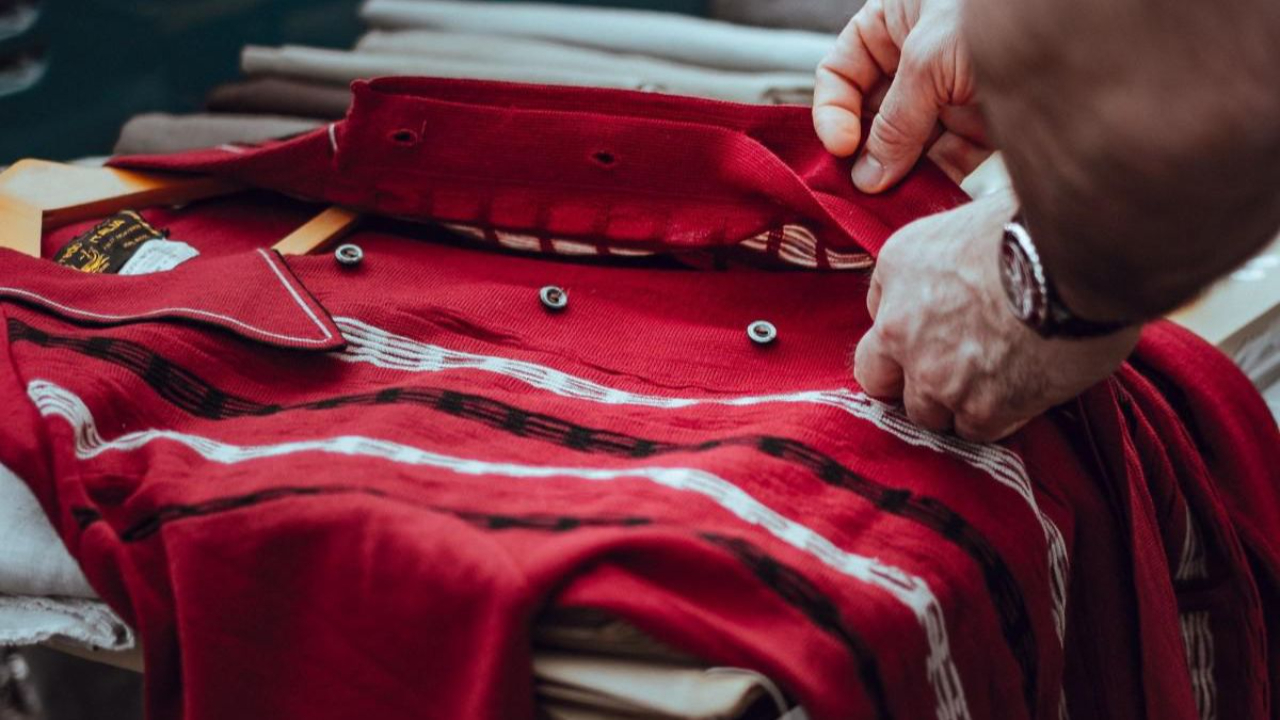
Whether you are new to the industry or seasoned professional, embarking on product fashion sampling is one of the most exciting and satisfying parts of the design process.
Bringing your ideas to life in the form of a tangible product is the icing on the cake after months of designing, fabric sourcing and pattern cutting.
Not to mention the endless factory visits to find the right fashion manufacturer, trustworthy enough to actually produce your samples.
Many start-up designers underestimate the number of samples it takes until you end up with a product sample that is "perfect".
They also wrongly assume that one sample of each design will be sufficient to show to a customer or buyer. Lack of industry experience often allows them to neglect to consider what happens if you need to source additional factories for your actual production, if your sales agents have appointments simultaneously or if you get multiple press requests for a specific design?
This article will provide you w...
Fashion Insider Tips for Sourcing Fabric Efficiently
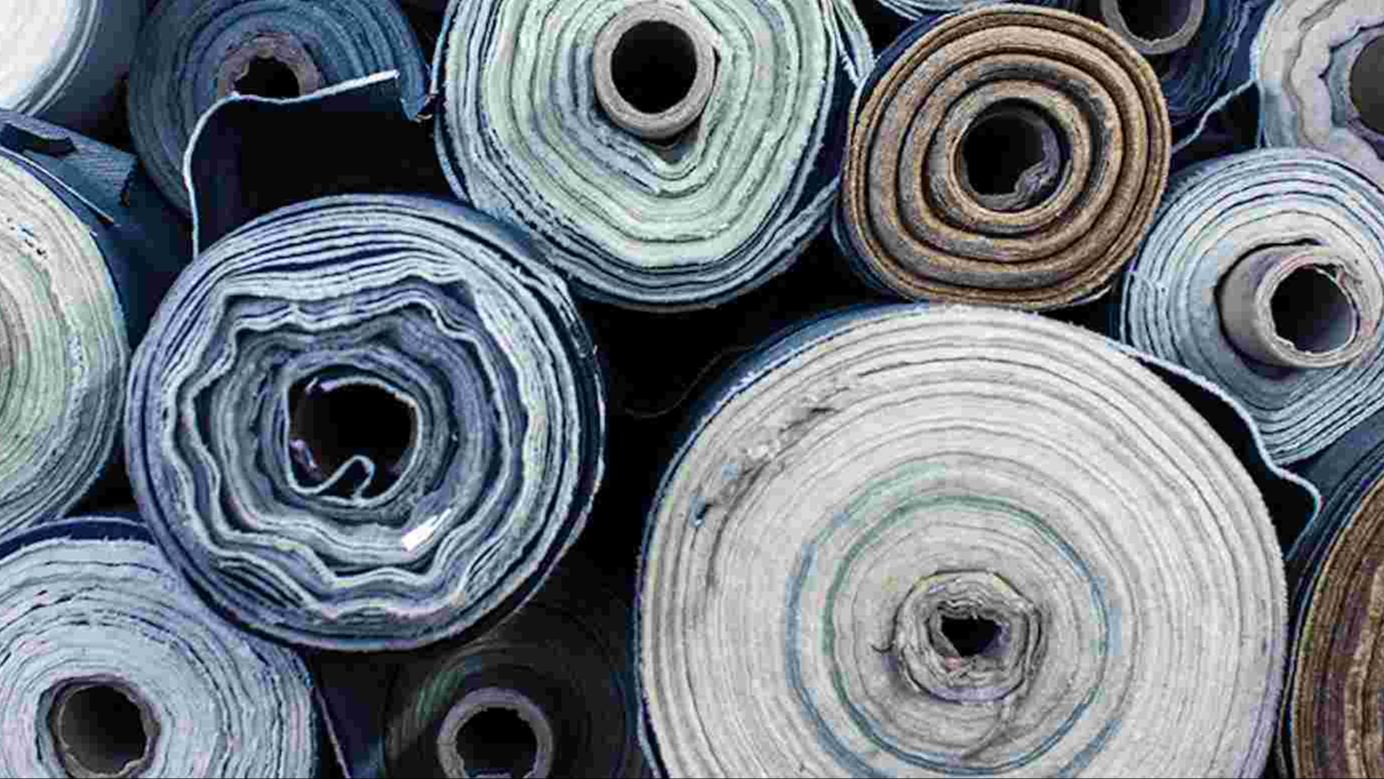
Sourcing fabric for new collections is one of the most exciting aspects of running a fashion label. But if you are new to the experience, knowing where to go and what to ask for will make a difference to your product.
[embed]https://youtu.be/E1eMaZuG-rk[/embed]
When I started my business, I was lucky, because I bought my cloth from a great retailer in London who also sold minimum quantities (25 metres across 3 colours) at wholesale prices. This was rather unusual in the 1990s and I was upset when they switched to retail sales only. But as they say, all good things come to an end and indeed they did.
However, when I subsequently found out about Premiere Vision, a fabric and trimmings trade fair in Paris, I needed no excuses to visit one of my favourite cities. Some of the fabric suppliers held stock at their warehouses so it was relatively easy to visit the fair, order sampling and then order larger quantities when your production order book closed.
Fast forward to the 21st century,...
3 Tips to Make a Perfect Garment Sample
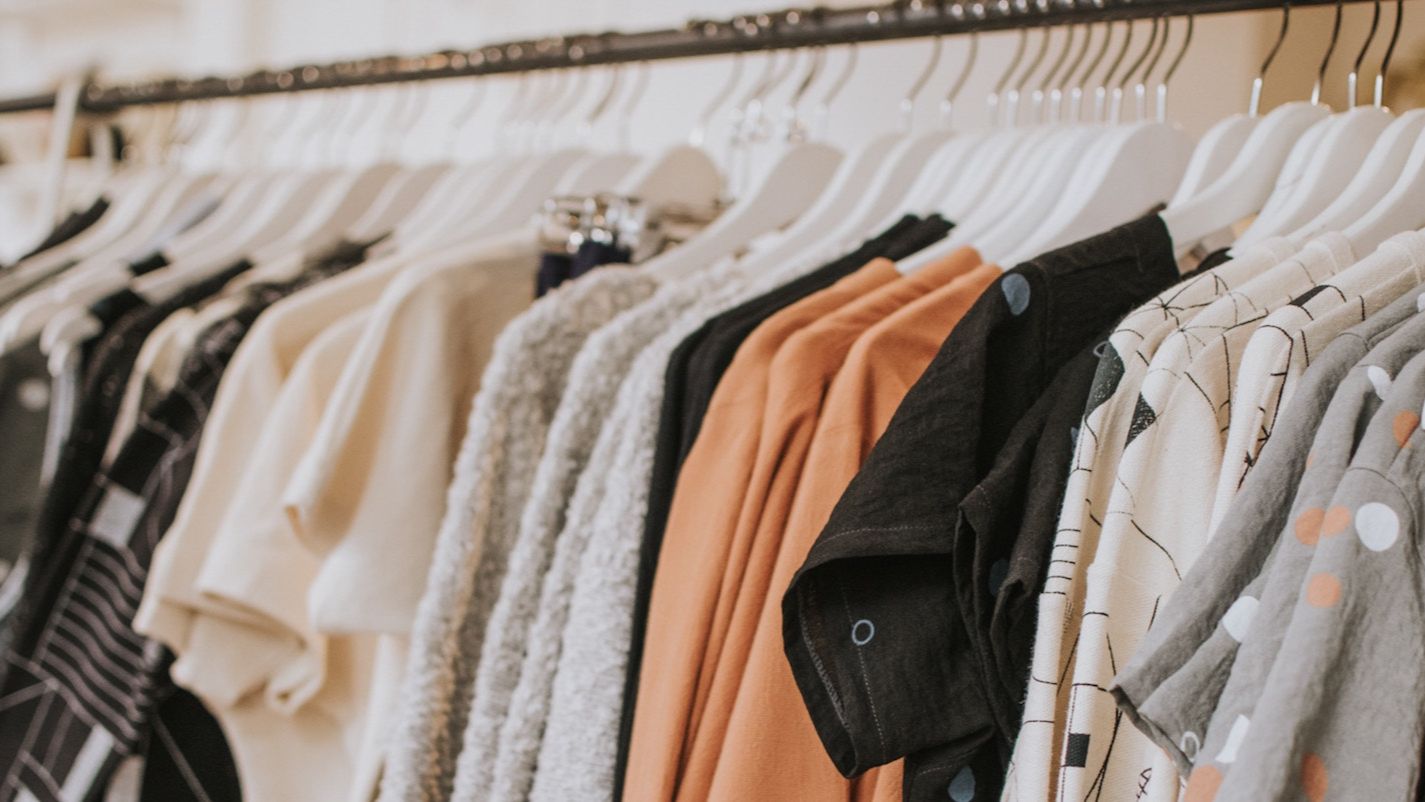
The ultimate goal for any business is to generate sales that will fuel the company's growth and generate profit. For most fashion brands, sales largely depend on having a great product that sells in volume. While one can argue that the success of a product depends on the style and what the demand is for it, another largely undervalued aspect is the quality of the product. A great product poorly executed will not sell in any notable volume.
To ensure a well executed and manufactured product, it is the designer's responsibility to provide the correct final sample and supporting documents like a spec pack to the factory. Setting the right expectations and choosing the right factory for your product is preparing for manufacturing success.
Making a perfect garment sample good enough for the factory to follow through to production, can be approached in three ways.
Whichever way you choose, your final outcome is to produce items to a very high standard so that they can be used by a factory...
5 Important Reasons for Sourcing Materials at Fashion Trade Shows
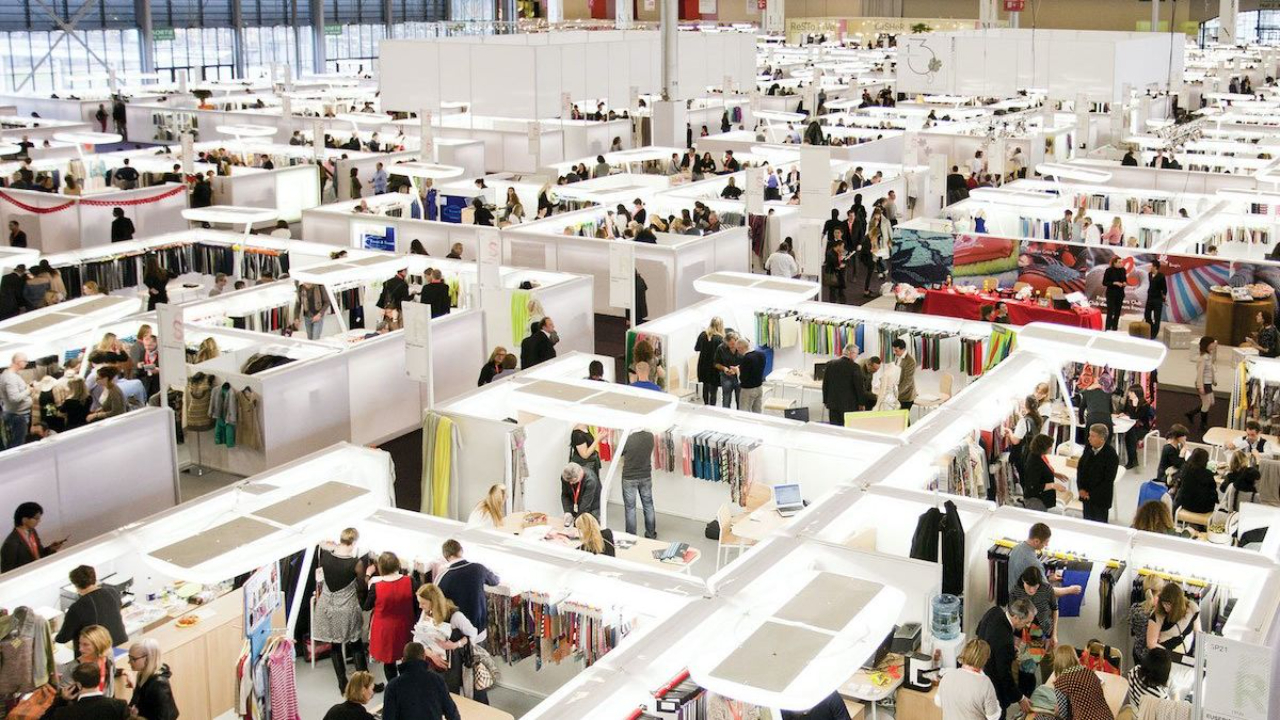
Sourcing materials at fashion trade shows is vital. Though the reasons why one should attend industry trade fairs have changed over the last few years, their importance especially when it comes to sourcing raw materials and trims, has not diminished.
It has never been a better time to be creative than in today's day and age. In the past fashion designers worked alone or in small teams - quietly and secluded. They mostly relied on the same materials and sources for inspiration. Perhaps it is why the whole world moved slower and there were long periods between new trends emerging.
Alas, those days are truly gone. Today the world is a much faster-paced place. Inspiration is all around us. We don’t even have to leave the room to know what happens around the world and be inspired.
But the downside is that we are losing personal contact with people. And in fashion and many other businesses that counts for a lot.
Sourcing materials at trade shows is best done in person
Many manufacturers...
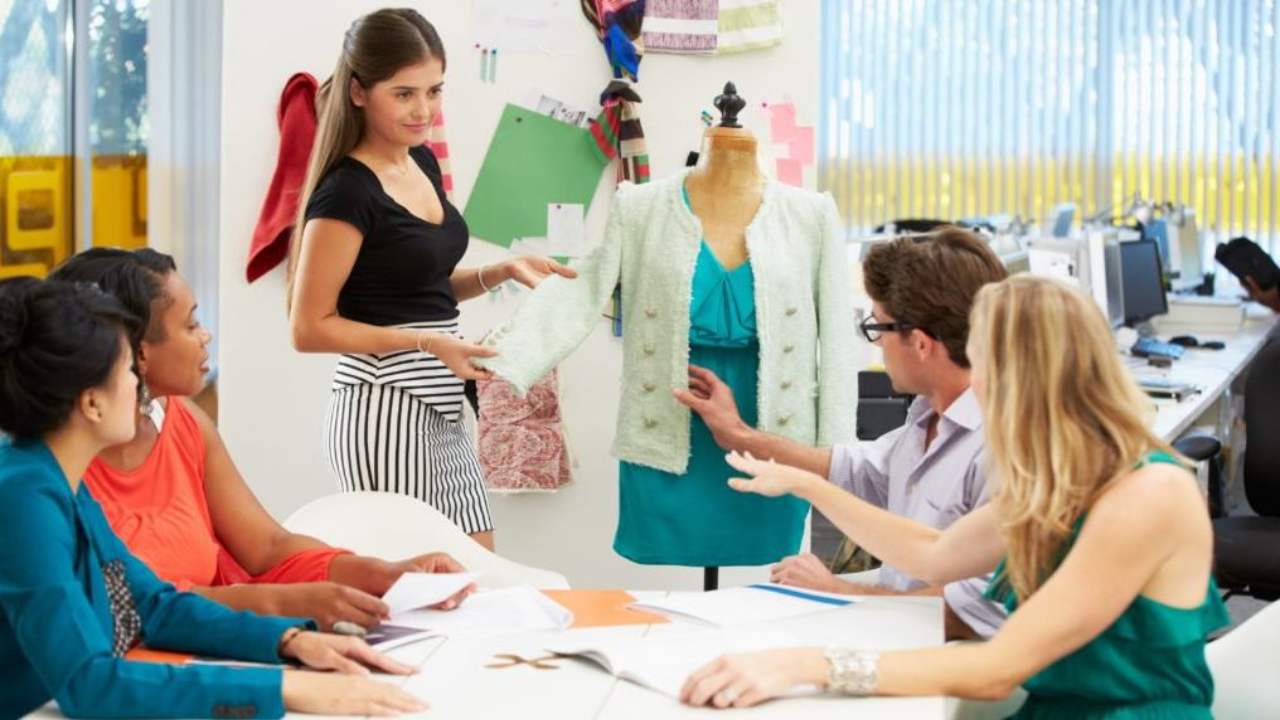
How to Work with Fashion Manufacturing Companies as a Startup
[embed]https://youtu.be/T_oJSPcNL-g[/embed]
There are a couple of times in the annual calendar that ignite “fashion passion” like no other.
Usually, this is in January – the start of the year when many “life-changing” plans are made and “start my own business” resolutions penned.
Then there is September! With the holidays over and having taken time to reflect and rest, many inspired by the fashion weeks that kick off all over the world hit the keyboards in an attempt to turn the idea they have been nurturing, into a product to sell. A product or business that they hope will be life-changing.
But somewhere along the way, an integral step of the process of working with fashion manufacturing companies gets skipped by most.

Particularly the new to the industry entrepreneurs.
Many may have had a few years or more working experience in another industry. This valid and useful experience, however, adds a false sense of knowledge and confidence when navigating the much different fashion...
7 Top Tips How to Avoid Manufacturing Drama During the Chinese New Year
Chinese New Year is the most important festival in China. It signals a new start, wishes of good fortune, and time spent with family. But how will a break for New Year celebrations affect your fashion business?
China’s total population covers up to 1.3 billion people. Its textile manufacturing industry is one of the world’s biggest apparel exporters to the west. The workers in China are mostly migrant which means they work far from their homes.
During Chinese New Year (view dates here), an estimated 340 million workers make the annual pilgrimage from their workplaces to their hometowns and villages.
It is one of the largest human migrations in the world.
Chinese New Year: The Bigger Picture
On an average, the Chinese railway carries 6.4 million passengers every day. But, during the Chinese New Year, there’s a 50% increase in demand. Chinese workers buy tickets weeks before holidays begin to deal with the excess transportation problems. The same problem happens while buying tickets...
The Rise of Ethical Fashion Manufacturing
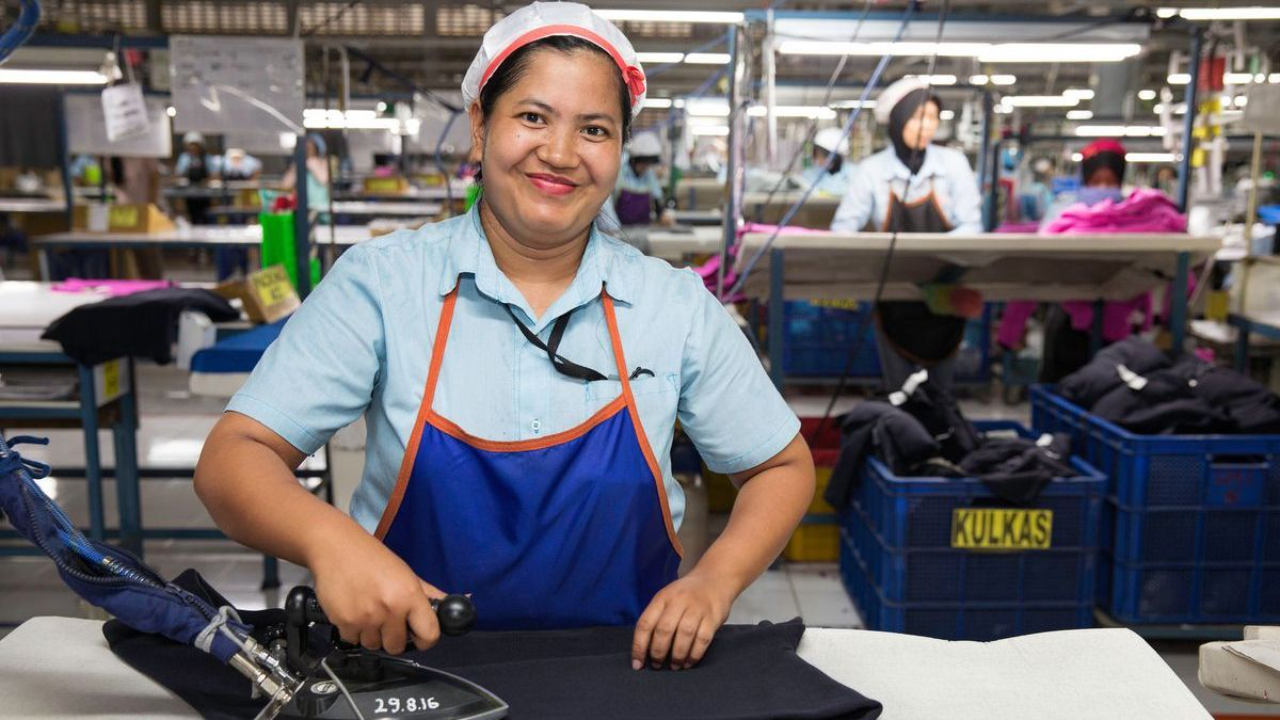
The terms "ethical (fashion) manufacturing” and “sustainability” have become the buzz words of our generation. But are they just a marketing gimmick or do brands and customers really care about the issues?
One of the many great things about the internet era we live in is access to information. Everything and anything, 24/7. It is this unparalleled information sharing that has highlighted and proven to us all, that how we live and the actions we chose to take on a daily basis impact our planet.
Or rather threaten it.
Our increased consciousness has given rise to concerns about our ways of life, which in turn lead to scrutinising our habits.
One of the biggest threats to our planet is our obsession with shopping and mindless (over)consumption.
“I first came to ethical living through fashion, after travelling in Cambodia and reflecting on my fast fashion addiction and deciding to break the cycle. Nobody should suffer just because I want cheap clothes!” said Sian Conway from Ethic...
5 Ways Startups Can Use Tech Packs to Cut Costs and Save Time
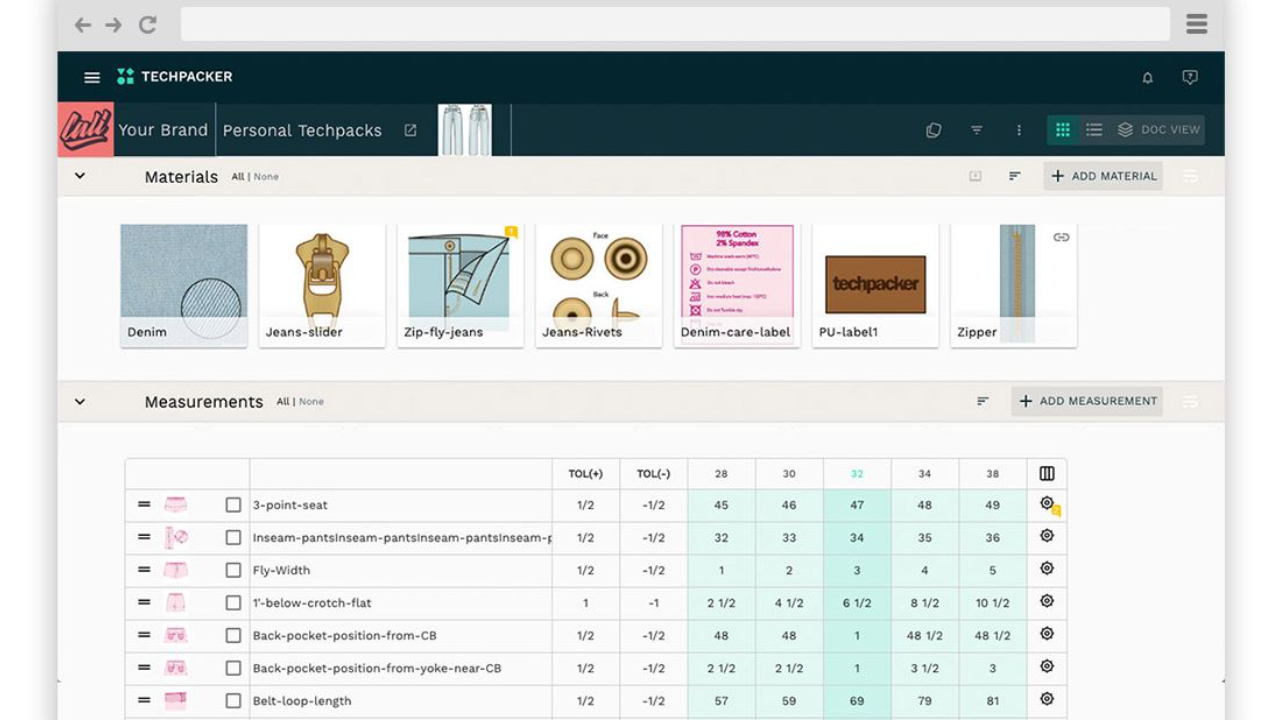
Tech packs! Love them or hate them, if you're in fashion - you simply need them!
Like anything in life, the quality of the outcome depends on the quality of the input. In fashion, this is truer than in most other industries. Without a proper brief, a visual and verbal accurate communication, the end result will be a disappointment. Luckily for us entrepreneurs, it has never been easier to communicate better with manufacturers.
Sayam Kochar - the co-founder of fashion tech company Techpacher spent years creating an easy to use software that allows new and experienced fashion creatives to spec out their ideas and communicate them in the best possible way to manufacturers.
Here he tells us why making tech packs an integral part of your development process is a MUST.
Let me ask you this: What is a tech pack?
For most of you, it’s a static blueprint. A bundle of all your design requirements.
Fashion brands have treated tech packs as mere documents for far too long. They spend hours me...
10 Top Signs You're Working with the Wrong Manufacturer
Fashion manufacturing is not for the faint-hearted. Working with the wrong manufacturer can be painful. Fashion manufacturing is like relationships. In fact, it is apt to compare the process to dating...Pick the right fashion factory - and you’ll live happily ever after. Pick the wrong one - and life will not be worth living. Regardless who you pick - you’ll have to get used to each other and learn to compromise.
But while we learn how to play the dating game early on and there’s plenty of books on the matter and friendly advice, manufacturing is a whole other game. Working with the wrong manufacturer can create countless problems and lead to loss of business even.
So how do you know if you are working with the wrong manufacturer?
How do you know if there are problems brewing that you may not be aware of, but will sooner or later take you by surprise? How do you spot the symptoms early on and have enough chance to prevent future bigger problems?
Join the 5 Day Fashion Manufacturi...
Think globally but manufacture fashion locally

What a phenomenal time to be alive. There has been no other time in the history of humankind when so much has changed in such a short period of time. When the opportunities we have, outnumber the obstacles we face.
[The original version of this article was first published at Estila magazine Vol 12 / Issue 47]
Being creative in today’s world is exciting. The world really is our oyster. Not only that – but for those of us more conscious about life in general and life on our planet – there is no better time to create, profit and instigate change for the better.
But how can creating and profiting ever be good for the planet?
I know…. It’s almost like the two concepts are mutually exclusive.
Or are they?
Have we been conditioned to think in black and white and the magic really is outside of the lines we have been thought to colour within?
As a creative who grew up not allowed to think of creativity as a profession, I count myself lucky to do what I do today. I grew up in a countr...
